thumbnail image

Malorie Neiger

  • Home
  • About Me
  • Self-Directed Learning
  • Clinical Education
  • Self-Assessment
  • Professional Career Development Plan
  • Contact Me
  • …  
    • Home
    • About Me
    • Self-Directed Learning
    • Clinical Education
    • Self-Assessment
    • Professional Career Development Plan
    • Contact Me
    Contact Me

    Malorie Neiger

    • Home
    • About Me
    • Self-Directed Learning
    • Clinical Education
    • Self-Assessment
    • Professional Career Development Plan
    • Contact Me
    • …  
      • Home
      • About Me
      • Self-Directed Learning
      • Clinical Education
      • Self-Assessment
      • Professional Career Development Plan
      • Contact Me
      Contact Me

      Malorie Neiger

      • About Me

        My name is Malorie, and I am a Doctor of Physical Therapy student with clinical interests in both outpatient sports rehabilitation and inpatient acute care. My background in strength and conditioning, combined with years of participation in basketball, volleyball, and softball, has shaped my understanding of movement, performance, and injury. These experiences fostered a strong appreciation for the role of exercise in health and recovery, ultimately guiding my decision to pursue physical therapy as a profession centered on restoring function through movement.

        My interest in physical therapy was also influenced by witnessing the profession firsthand through my father, who is a physical therapist. Observing his work highlighted the impact that skilled rehabilitation can have on individuals and reinforced my desire to pursue a career that integrates science, movement, and meaningful patient care.

        Living and training in Hawaiʻi has been a meaningful and formative part of my development. I have built strong connections within the community and developed a deep appreciation for the concept of ‘ohana and the importance of culturally grounded care. My experiences working with kūpuna, individuals with disabilities, and community-based programs have reinforced the value of meeting patients where they are and incorporating meaningful, enjoyable forms of movement into rehabilitation.

        Hawaiʻi has also taught me the healing influence of nature and environment on overall well-being. I aim to carry this perspective forward by integrating holistic, patient-centered approaches into my future practice. My goal is to contribute to the local community by providing care that not only restores physical function but also respects identity, environment, and quality of life.

      • Self-Directed Learning

        Teaching
        Section image

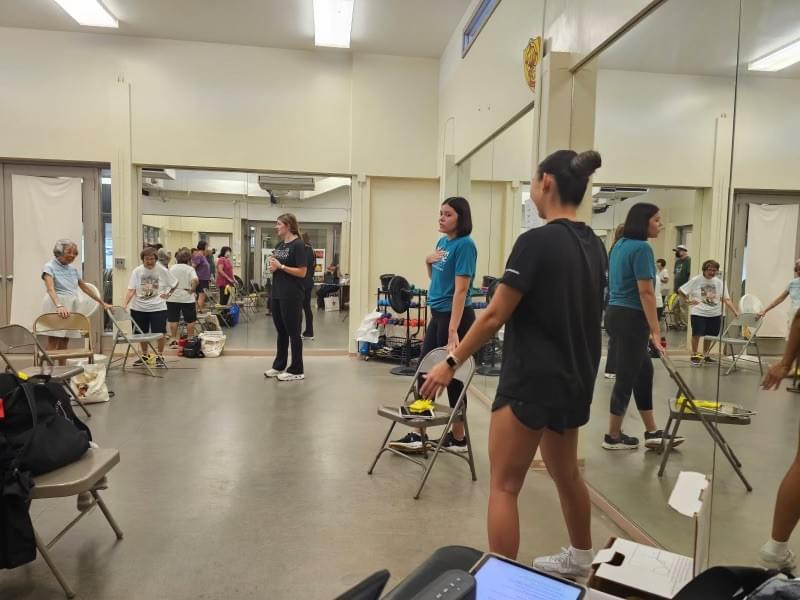
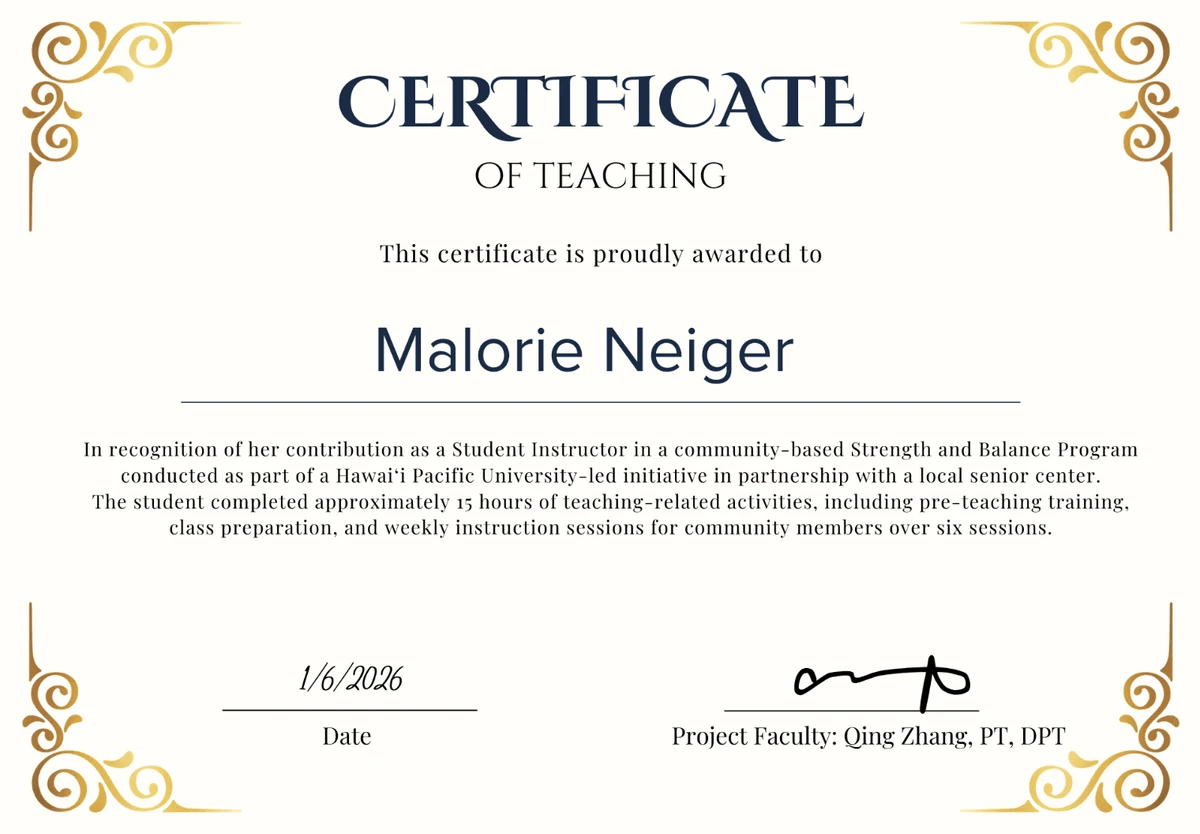
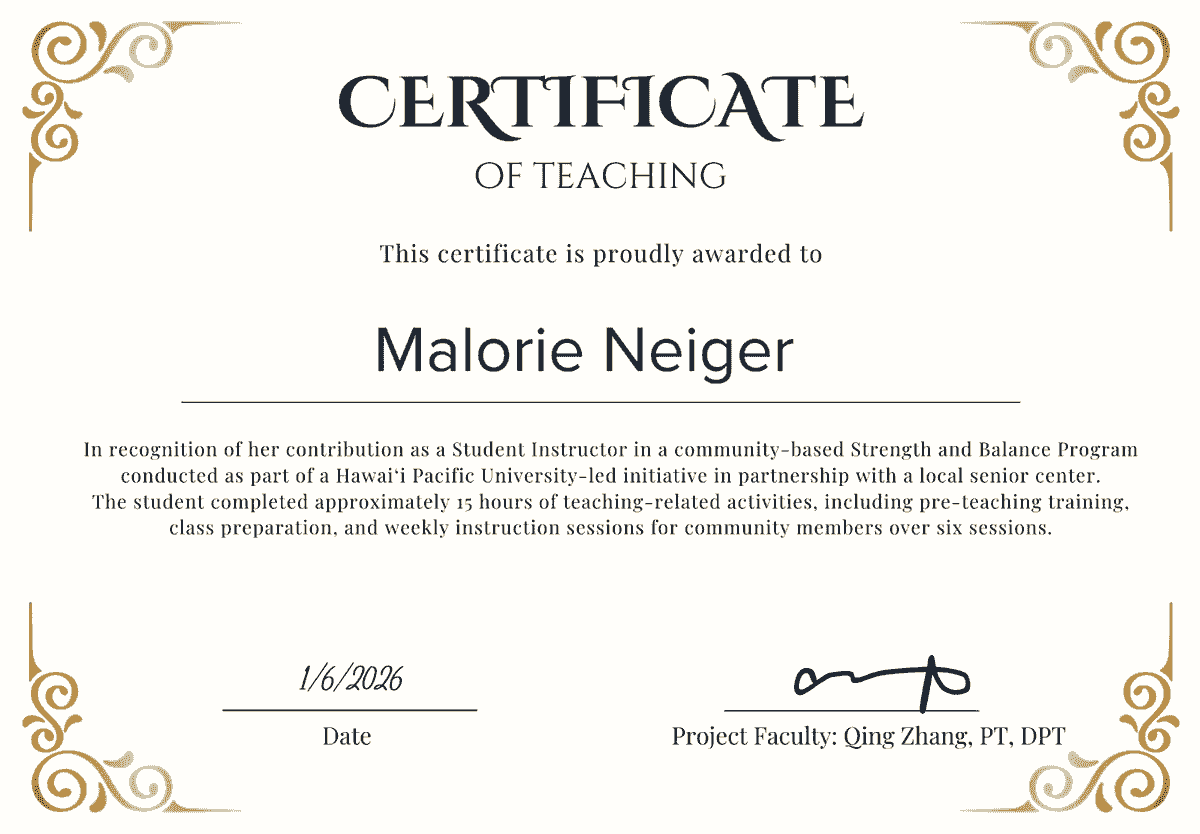
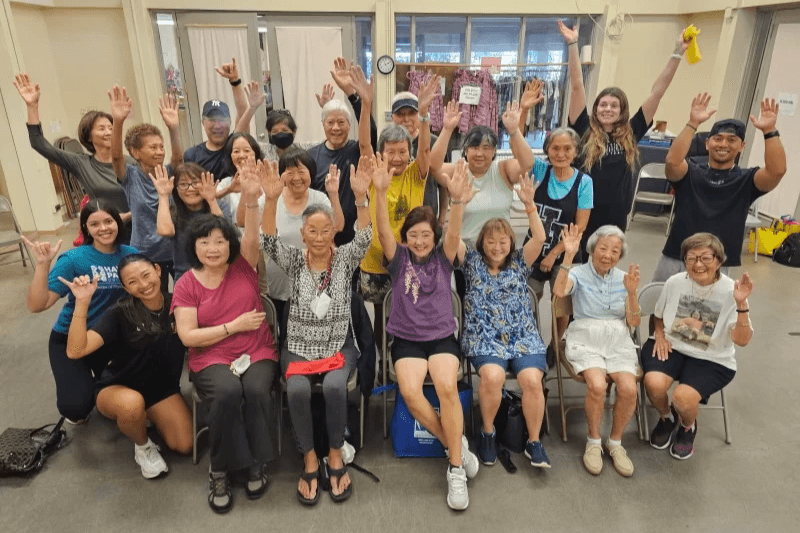
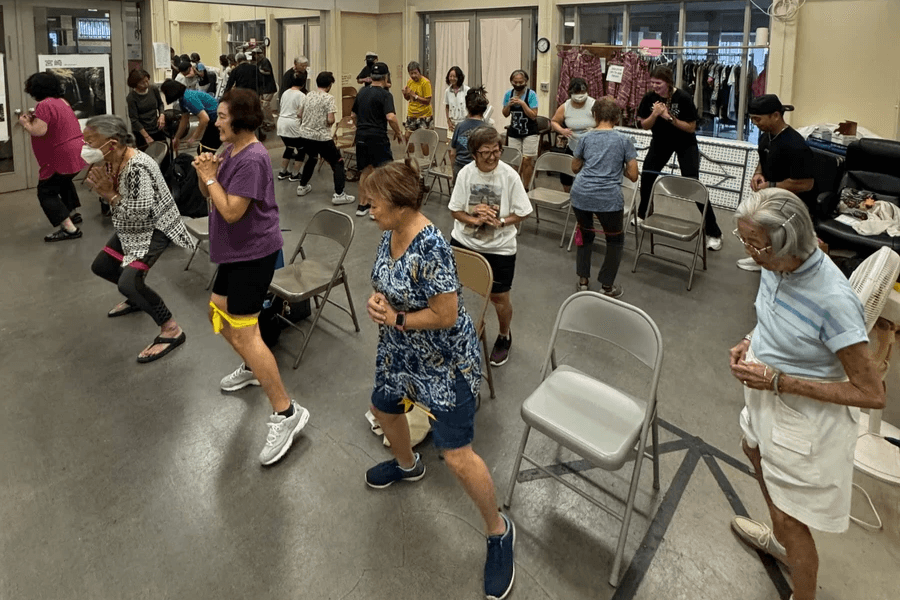
        Student Instructor - Community-Based Strength & Balance Program

        Lanakila Multi-Purpose Senior Center - Honolulu, HI

        Volunteering at Lanakila Senior Center was a meaningful opportunity to work with local kūpuna and support their health, wellness, and community engagement. Through this experience, I learned that the desire to remain active, independent, and socially connected does not decline with age.

        My role involved creating and implementing a balance and strength program for participants at the center. These activities were designed to promote physical function, balance, mobility, and overall well-being. These individuals' motivation challenged common misconceptions about aging and reinforced the importance of promoting active lifestyles across the lifespan.

        One of the most valuable lessons I gained was the importance of understanding what is meaningful and motivating to each individual. While traditional strength and balance exercises may be effective, activities such as Tai Chi can provide similar benefits in a way that is enjoyable, culturally relevant, and personally meaningful. The kūpuna not only learned from us but also taught us about the value of Tai Chi as a strategy for improving balance, mobility, and overall health. I hope to continue learning about interventions such as Tai Chi and incorporate them into my future physical therapy practice to better meet the needs and goals of my patients.
        Social Responsibility
        Section image

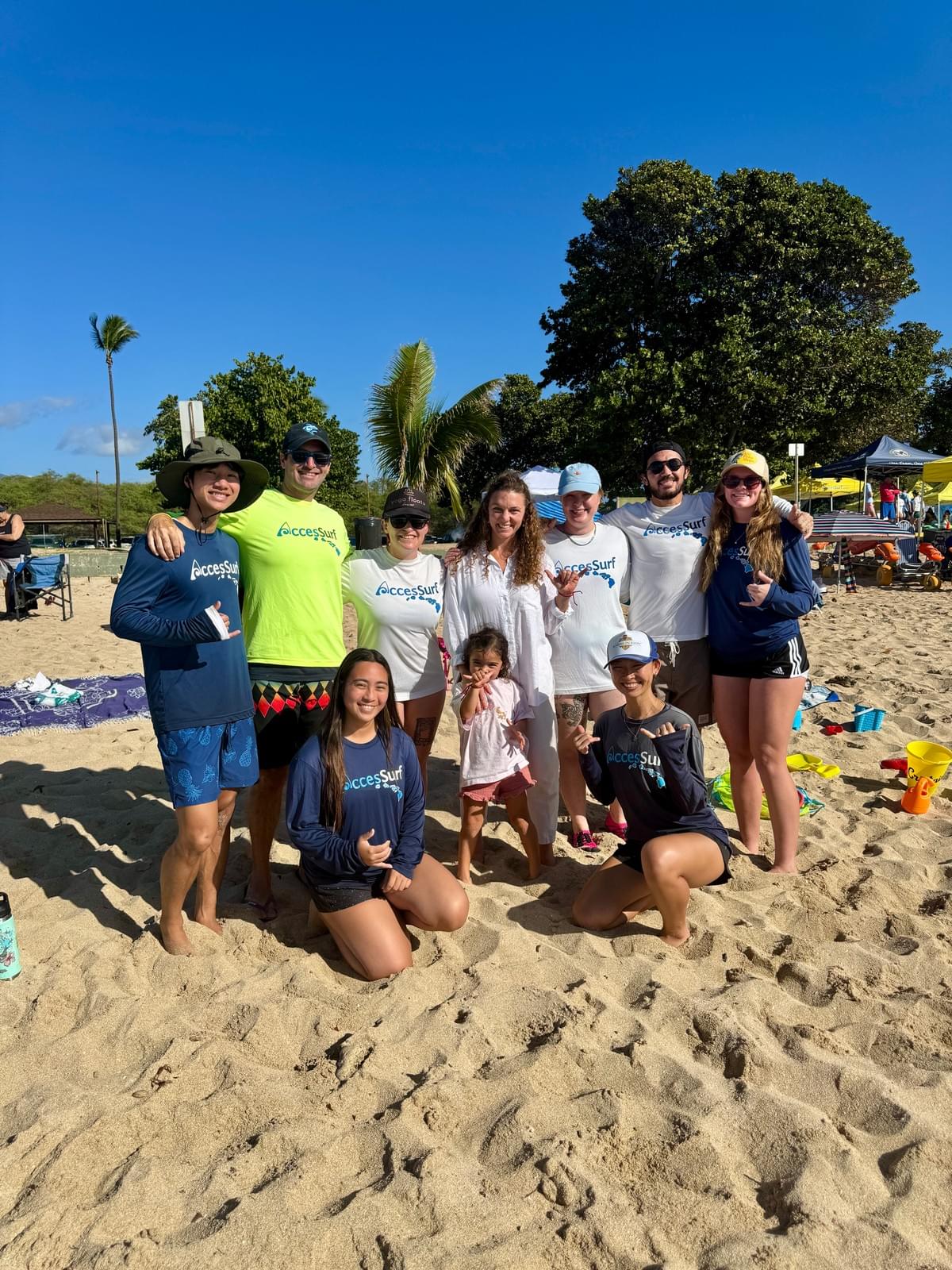
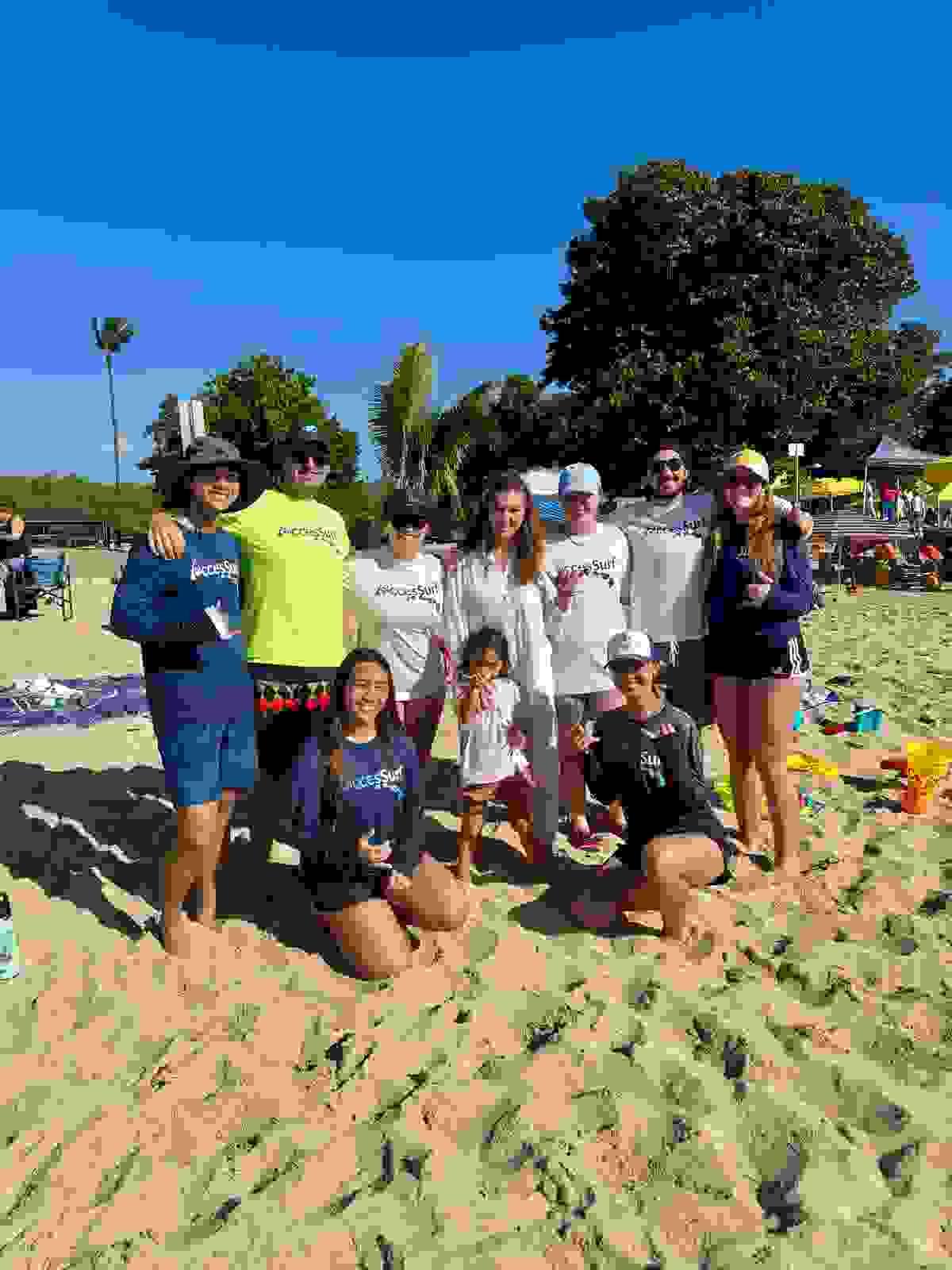
        Access Surf - Assisted Swim

        White Plains Beach - Ewa Beach, HI

        As a volunteer with Access Surf, I assisted individuals of all ages and abilities in safely participating in ocean-based recreational activities. My role involved providing physical assistance, supervision, and encouragement to help participants access the water and experience the physical, emotional, and social benefits of ocean activities.

        One of the most meaningful experiences was helping a young boy and his sister enjoy time in the ocean. Watching them smile, laugh, and play in the water highlighted the positive impact that inclusive recreational opportunities can have on individuals and families.

        Volunteering with Access Surf strengthened my commitment to serving others and reinforced my desire to become a physical therapist. Seeing people accomplish activities they may have been told were not possible was both inspiring and rewarding. I hope to continue volunteering with Access Surf, expand my skills in adaptive recreation, and contribute to creating more opportunities for individuals of all abilities to participate in activities that enhance their health, wellness, and overall quality of life.
        Section image

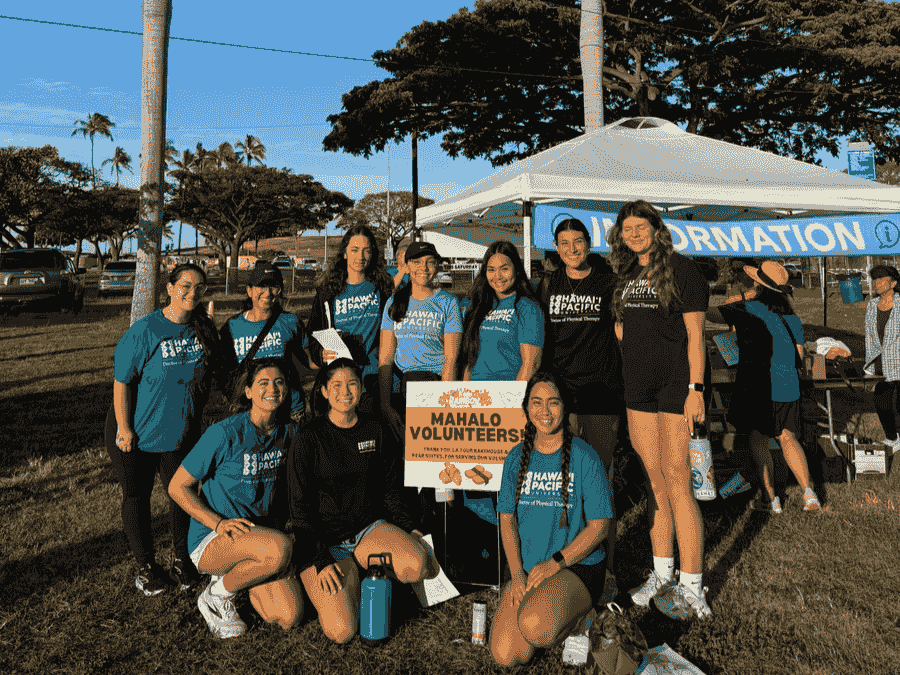
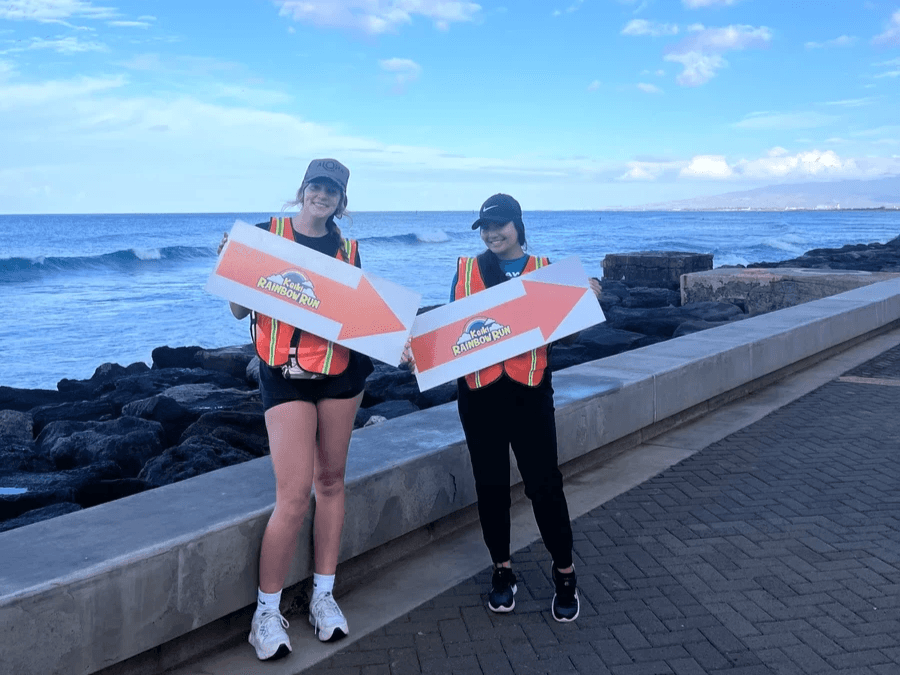
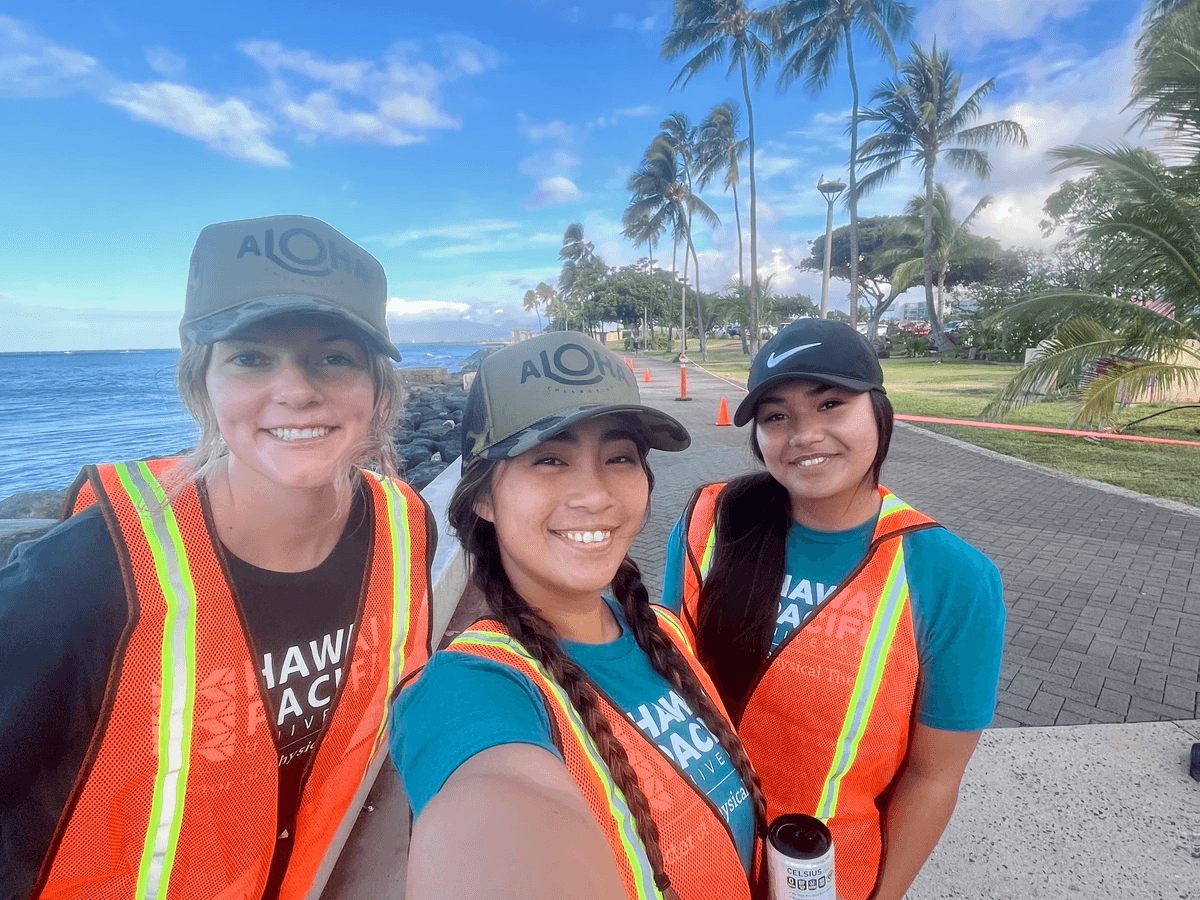
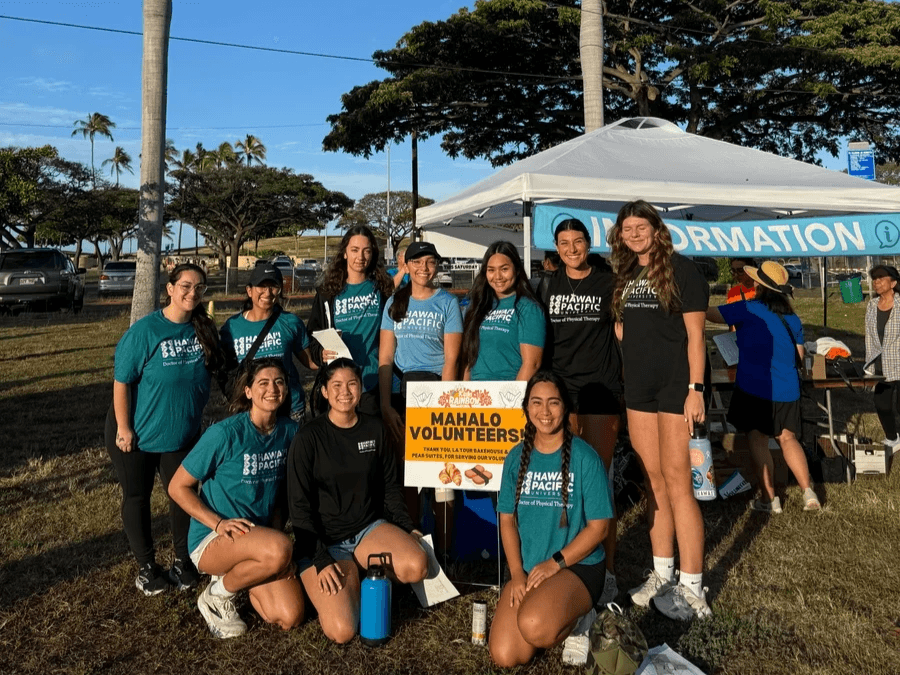
        Keiki Rainbow Run - Course Safety & Cheers

        Honolulu, HI

        As a volunteer for the Keiki Rainbow Run, I assisted with setting up the race course and supported participants and their families throughout the event by providing encouragement and helping create a positive, welcoming environment. This event promotes physical activity, healthy lifestyles, and community engagement for children and their families.

        Participating in the Keiki Rainbow Run allowed me to contribute to an event that encourages lifelong health and wellness habits at a young age. By cheering on the keiki and their ʻohana as they completed the race, I helped foster a fun and supportive atmosphere that celebrated physical activity and community involvement.

        This experience reinforced the importance of serving as a positive role model for children and supporting programs that promote health, wellness, and active living. It demonstrated how community-based events can bring people together while encouraging healthy behaviors and creating meaningful opportunities to support the well-being of others.
        Section image

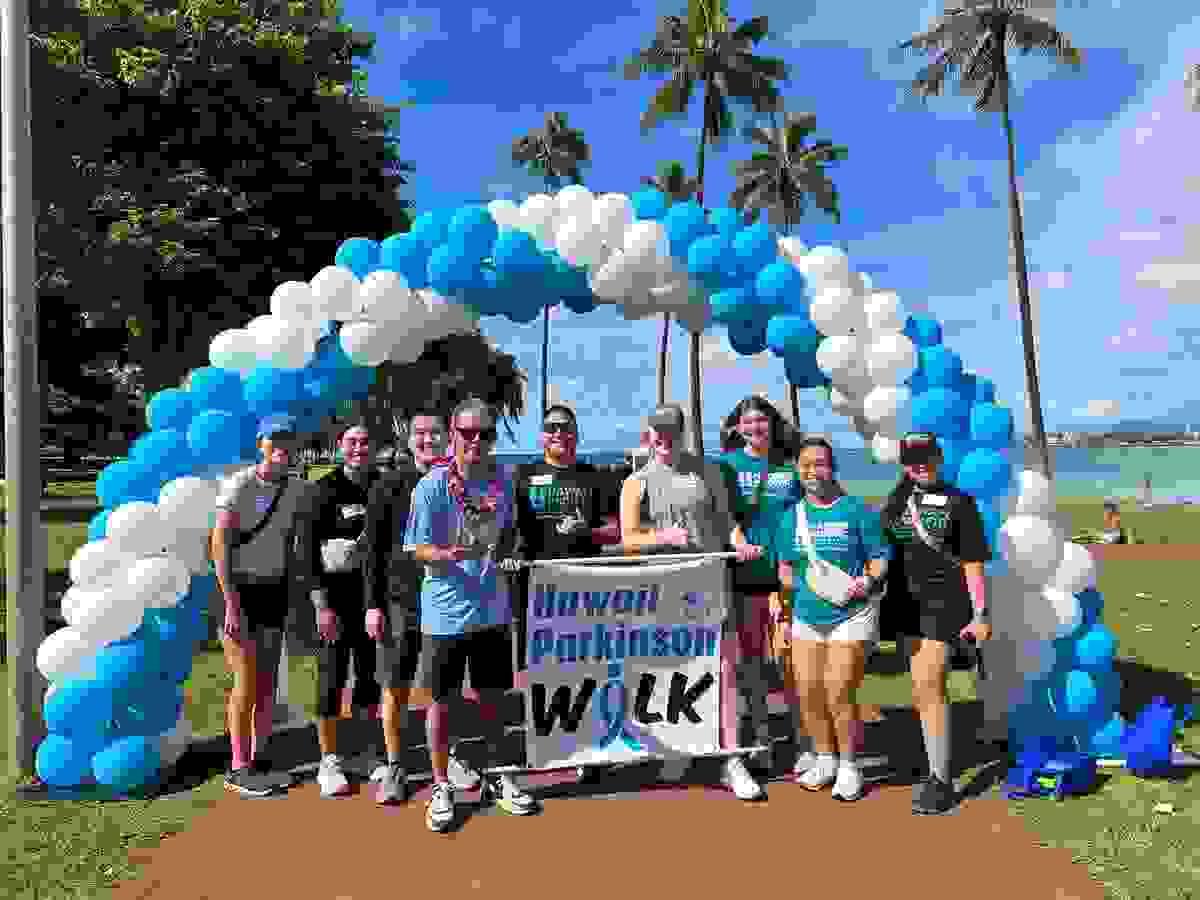
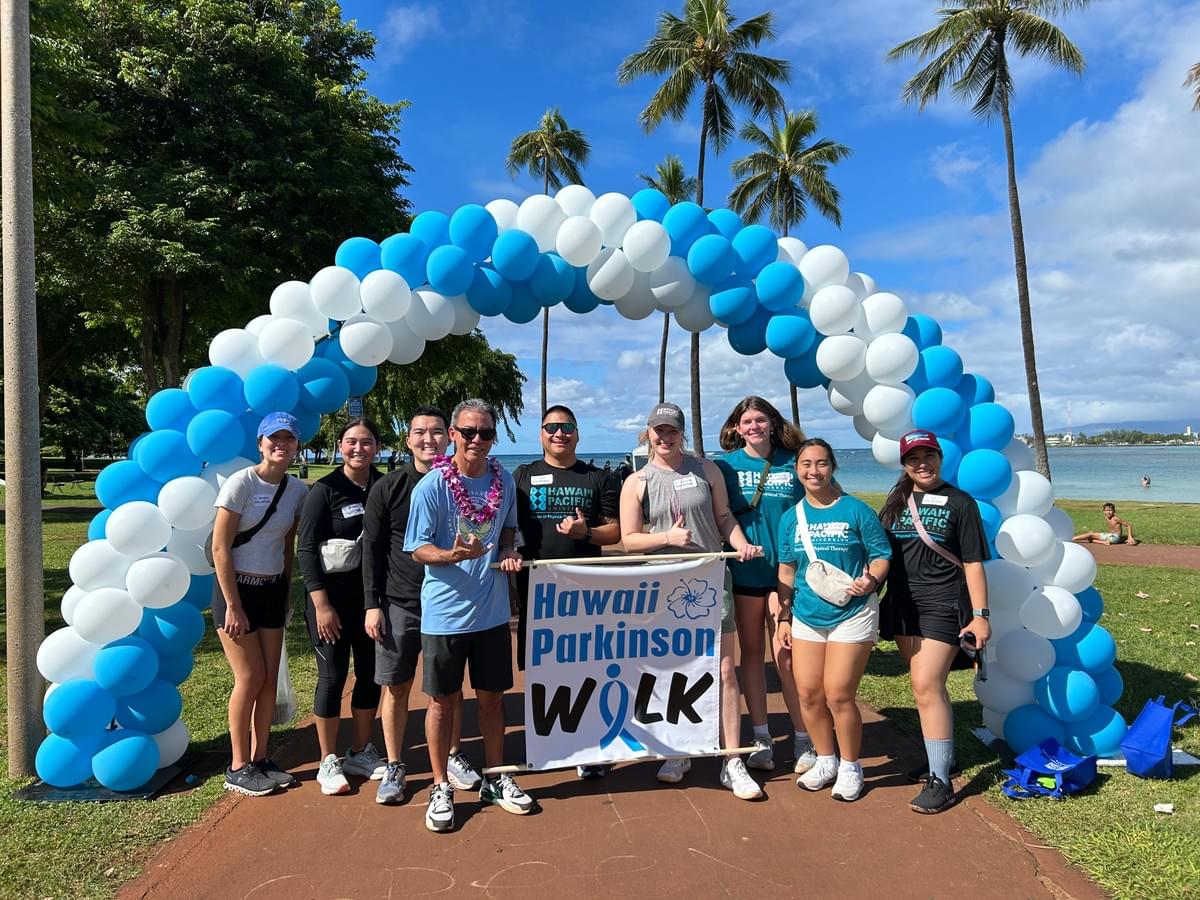
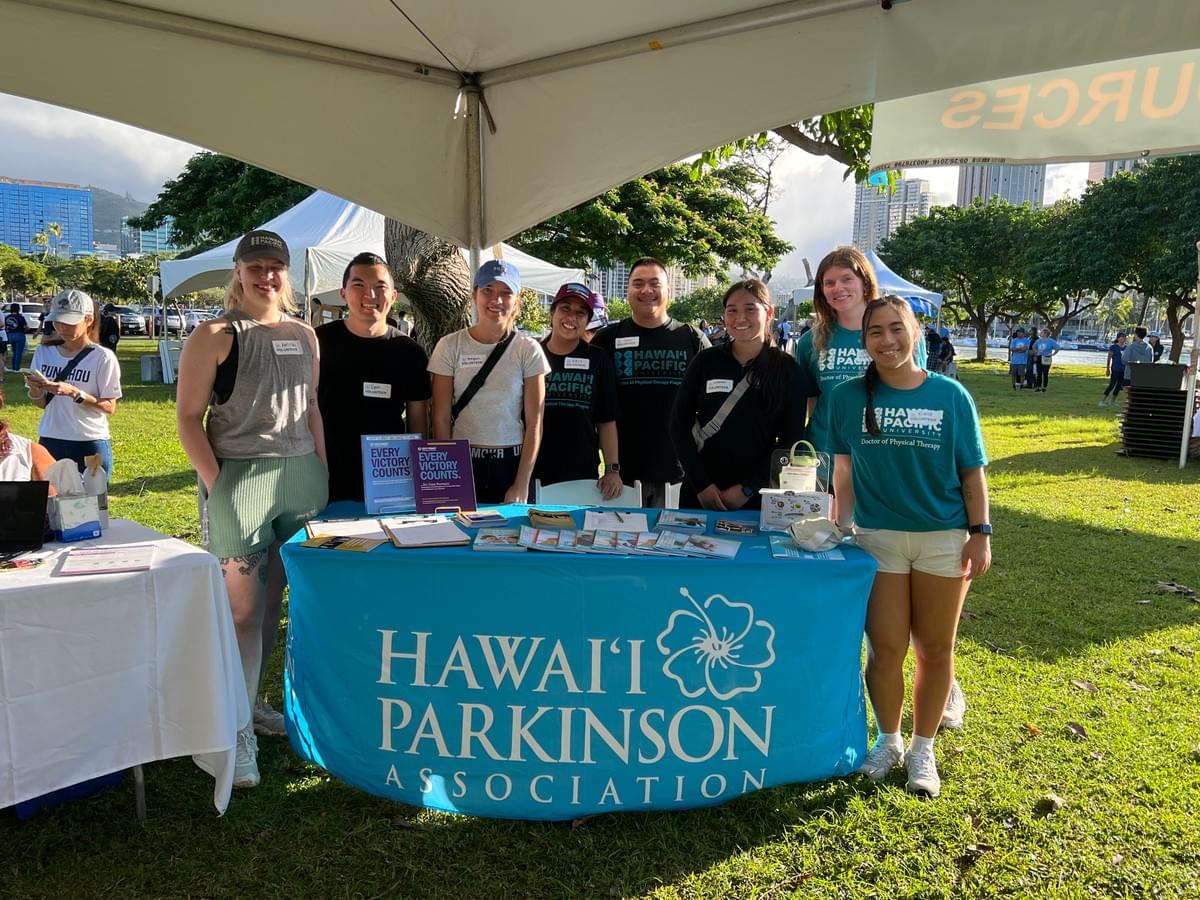
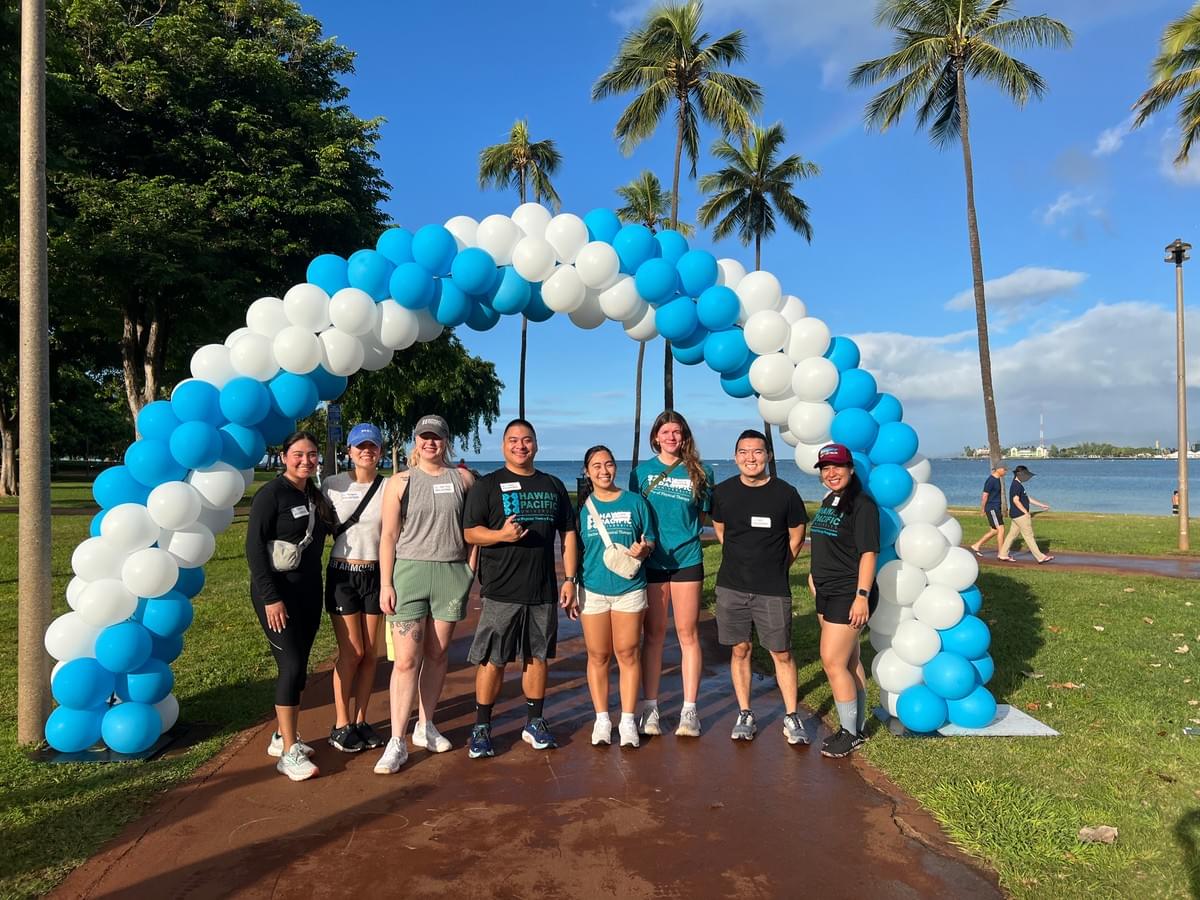
        Hawaii Parkinson Walk - Warm-Up Lead & Spotter

        Honolulu, HI

        As a volunteer at the Hawaii Parkinson Walk, I helped support individuals living with Parkinson's disease and their families. My responsibilities included helping lead the pre-walk warm-up and serving as a spotter for participants who were at an increased risk of falls. In this role, I provided supervision, assistance, and encouragement to help ensure participants could safely engage in the event.

        This experience allowed me to contribute to a community event focused on promoting physical activity, social connection, and awareness of Parkinson's disease. By assisting with the warm-up and supporting participants throughout the event, I helped create a safe and inclusive environment that encouraged participation and community engagement.

        Volunteering at the Hawaii Parkinson Walk reinforced the importance of supporting older adults and individuals with neurological conditions in maintaining active and healthy lifestyles. It also strengthened my passion for advocating for individuals with chronic neurological conditions within the community.
        Professional Development
        Section image

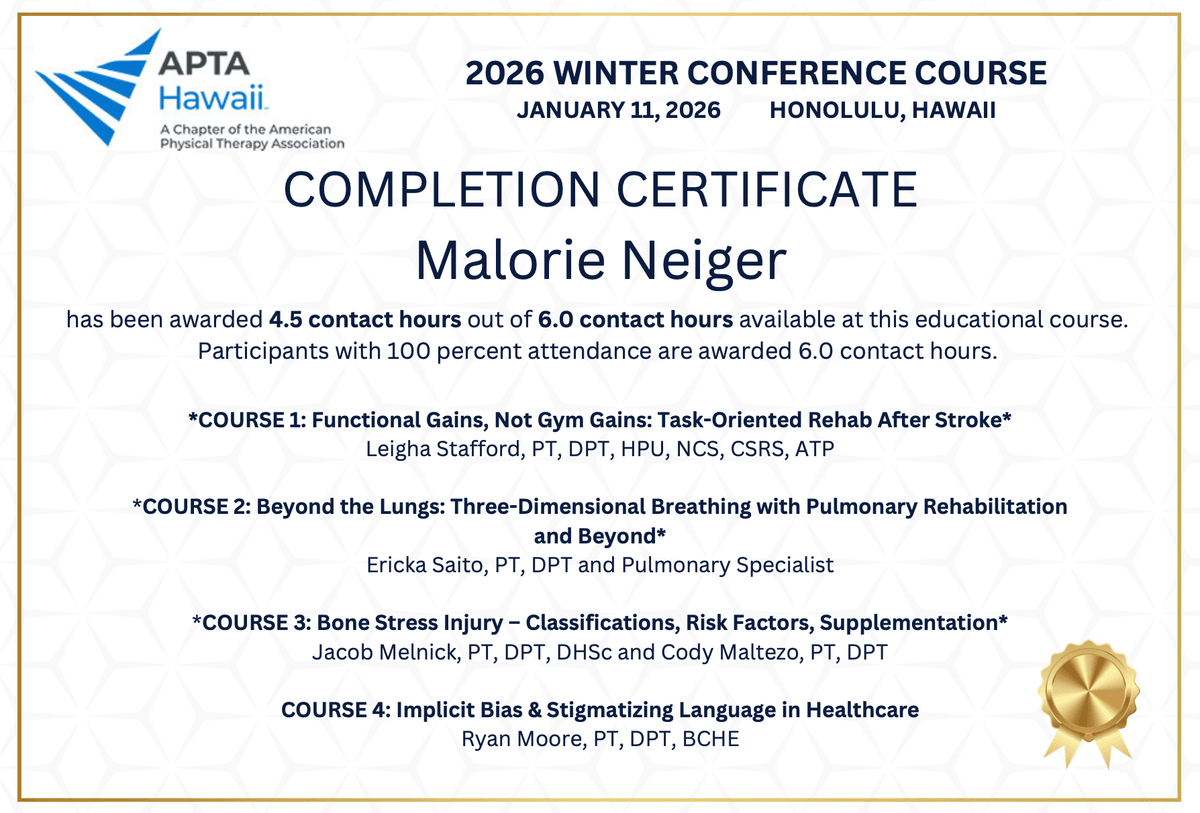
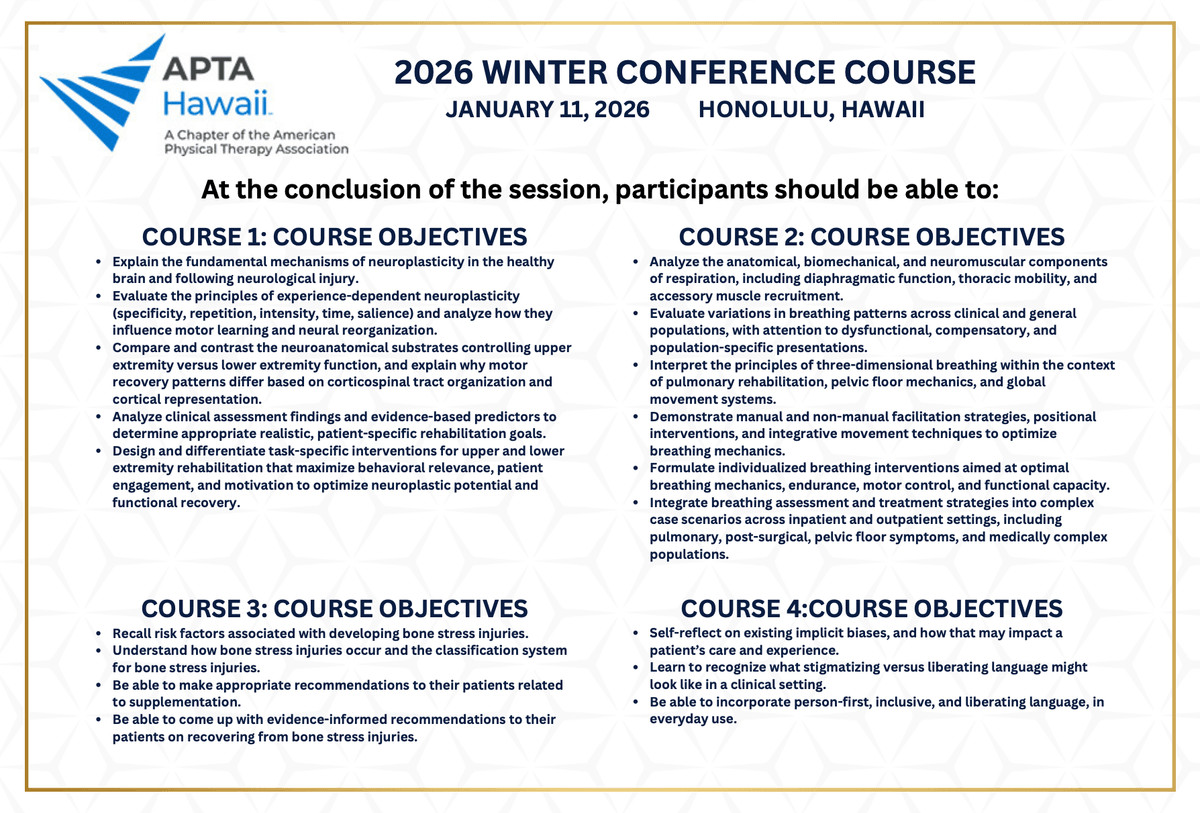
        APTA Hawaii Winter Conference 2026

        Honolulu, HI

        I attended the APTA Hawaii Winter Conference 2026 as part of my ongoing professional development in physical therapy. The conference focused on current topics in rehabilitation, including bone stress injuries, task-oriented rehabilitation after stroke, pulmonary rehabilitation, implicit bias, and stigmatizing language in healthcare. These courses provided exposure to current evidence-based practices and reinforced the importance of applying up-to-date clinical reasoning in patient care.

        The course that stood out most focused on task-oriented rehabilitation after stroke and the role of the patient interview in guiding treatment. A key takeaway was the importance of moving beyond standard subjective questions such as “What are your goals for physical therapy?” and instead using more meaningful, patient-centered questions such as “What makes you happy?” or “What was the best year of your life?” This approach reframes the subjective interview to better understand patient values, identity, and motivation, which can directly influence engagement and outcomes in rehabilitation.

        This experience highlighted the need for physical therapists to prioritize meaningful engagement and individualized care rather than relying solely on standard goal-setting questions. Attending this conference contributed to my professional growth by strengthening my understanding of patient-centered care and evidence-based practice, and it reinforced my commitment to continuously improving my clinical reasoning and communication skills as a future physical therapist.
      • Clinical Education Experiences

        General Outpatient, Inpatient Acute, Outpatient Sports

        Outpatient General| Ke Ola Kino | Hilo, HI - 8 weeks

        My clinical education experience at Ke Ola Kino took place in Hilo, a small rural town on Hawaiʻi Island, where access to healthcare resources Is limited. This setting provided valuable insight into the challenges and importance of advocating for patients to get effective outpatient rehabilitation care in a resource-constrained and community-focused environment.

        Ke Ola Kino is an outpatient physical therapy clinic that serves a diverse rural population across the Big Island. During this clinical experience, I was exposed to a wide range of patient conditions, including sports-related musculoskeletal injuries, vestibular disorders such as benign paroxysmal positional vertigo (BPPV), post-operative rehabilitation cases, athletes, chronic pain cases, and individuals undergoing or recovering from chemotherapy. This variety of diagnoses required adaptability in clinical reasoning, communication, and treatment planning across different levels of function and complexity.

        Working in this setting strengthened my understanding of patient-centered care across the lifespan and across diagnoses. I observed the importance of tailoring interventions not only to the patient’s physical impairments but also to their access to care, transportation limitations, cultural context, and personal goals. In a rural setting, consistency of care and patient education were especially critical to ensure carryover and long-term outcomes.

        This clinical education experience contributed significantly to my development as a future physical therapist by expanding my exposure to diverse patient populations and reinforcing the importance of flexibility in clinical practice. It also strengthened my appreciation for rural healthcare and the role physical therapists play in improving access to rehabilitation services in underserved communities.

        Inpatient Acute | Barton Health | South Lake Tahoe, CA - 8 weeks

        My clinical education experience in acute care at Barton Health in South Lake Tahoe was both challenging and highly impactful, and it reignited my interest in acute rehabilitation as a potential specialty area. Barton Health is one of only two hospitals serving the Lake Tahoe region, which contributed to a diverse and consistently high-acuity patient population. This setting provided exposure to a wide range of diagnoses, including stroke, trauma, dementia, Parkinson’s disease, alcohol withdrawal syndrome, acute spinal cord injury, heart failure, pre-hospice care, acute organ failure, Alzheimer’s disease, traumatic brain injury (TBI), and orthopedic post-operative cases.

        This rotation was unique in that each day presented new and unpredictable patient presentations, requiring adaptability, strong clinical reasoning, and the ability to quickly prioritize patient needs in a hospital environment. I gained experience working with medically complex and vulnerable populations, which challenged me to refine my communication skills, clinical decision-making, and understanding of acute-level mobility and safety considerations.

        While the experience was emotionally demanding at times due to the severity of patient conditions and the vulnerability of the population, it was also deeply meaningful. Each patient interaction reinforced the importance of empathy, dignity, and individualized care in acute settings. This rotation strengthened my appreciation for the role of physical therapy in early mobility, prevention of functional decline, and support of patients and families during critical phases of illness.

        Overall, this clinical education experience significantly influenced my professional development by strengthening my confidence in acute care environments and reinforcing my interest in pursuing this area as a potential specialty. It highlighted the impact physical therapists can have in high-acuity settings and deepened my commitment to providing compassionate, skilled care across the continuum of rehabilitation.

        Outpatient Sports | Deep2Peak | Haiku, HI - 16 weeks

        My clinical education experience at Deep Relief Peak Performance in Haiku, Hawaiʻi was an exceptional opportunity that strongly aligned with my long-standing interest in sports performance and orthopedic rehabilitation. This clinic serves a highly active population, including world-class athletes such as professional surfers, foilers, kiteboarders, and windsurfers, as well as the general community. The patient population included a wide variety of diagnoses, such as joint replacements, ACL and MCL repairs, meniscus injuries, fractures, vestibular disorders, concussion, amputations, and other general musculoskeletal conditions.

        This rotation was unique in its integration of physical therapy and sport performance training within a highly active and health-focused environment. Unlike many clinical settings where patient education often emphasizes increasing activity levels, this experience often required encouraging athletes to appropriately rest and respect tissue healing, as many patients were highly motivated and eager to return to high-level activity. This required strong clinical judgment to balance performance goals with safe rehabilitation progression.

        I was particularly drawn to the collaborative nature of the clinic, where physical therapists worked alongside strength and conditioning specialists, athletic trainers, massage therapists, and personal trainers. This environment allowed me to expand my understanding of how different disciplines contribute to performance optimization and injury recovery. I also had the opportunity to further develop my manual therapy skills and gain exposure to both general musculoskeletal cases and more complex presentations, such as vestibular conditions and a labyrinthectomy case.

        Overall, this clinical experience was a meaningful and defining part of my clinical education. It reinforced my passion for sports and orthopedic physical therapy while allowing me to grow in confidence, hands-on skills, and clinical reasoning. The positive, collaborative culture of Maui and the clinic environment made this rotation especially impactful, and I felt myself significantly grow in both competence and professional identity as a future physical therapist.
      • Self-Assessment of Core Values

        Throughout my time in the Doctor of Physical Therapy program, my understanding of professionalism has grown significantly. In my initial self-assessment completed during Professional Competencies I, many of my ratings reflected my values and aspirations as a beginning student physical therapist. At that stage, my understanding of accountability, integrity, excellence, and compassion was primarily based on classroom learning, previous work experiences, and my desire to become an effective healthcare professional.

        As I completed clinical rotations and gained experience treating patients across a variety of settings, my professional growth became more concrete. My final self-assessment demonstrates continued strength in accountability, compassion and caring, excellence, integrity, and inclusion. Through direct patient care, I learned the importance of active listening, patient advocacy, cultural humility, evidence-based practice, and collaboration with interdisciplinary healthcare teams. I became confident in accepting feedback, adapting my clinical decision-making, and tailoring interventions to each patient's goals and individual circumstances. These experiences reinforced the importance of placing patient needs first and providing care that is both evidence-based and compassionate.

        One area that remains an opportunity for growth is social responsibility. While I consistently advocate for individual patients and strive to improve access to care, I have had fewer opportunities to engage in activities such as policy advocacy, community leadership, political involvement, and healthcare systems improvement. As I transition into professional practice, I hope to become more involved in professional organizations such as APTA, participate in community outreach programs, and advocate for policies that improve access to physical therapy services and health equity.

        Another area I plan to continue developing is mentorship and leadership. During my clinical experiences, I began educating patients, collaborating with peers, and assisting others in their learning.

        Overall, these self-assessments demonstrate meaningful professional growth throughout my DPT education. My experiences in the classroom, laboratory, and clinical settings have strengthened my commitment to the core values of physical therapy and prepared me to enter practice as a compassionate, ethical, accountable, and lifelong learner. I will continue to pursue opportunities for professional development, community involvement, and leadership to ensure ongoing growth as a physical therapist and advocate for my patients and profession.

      • Professional Career Development Plan

        1-2 Years Post-Graduation

        Goals:

        1. Secure my first full-time physical therapy position in either an acute care or outpatient sports medicine setting within one year of graduation.

        2. Complete my first year of clinical practice while independently managing a full patient caseload and continuing to improve my clinical reasoning skills.
        3. Complete at least 20 hours of continuing education annually to expand my knowledge in orthopedic and sports rehabilitation.

        Action Steps:

        1. Maintain relationships with clinical instructors and professional contacts throughout my final clinical rotations and first year after graduation.

        2. Update and refine my resume, cover letter, and LinkedIn profile before graduation.
        3. Apply to positions that align with my interests in acute care and sports rehabilitation beginning 3–6 months before graduation.
        4. Seek mentorship from experienced physical therapists during my first year of practice.

        5. Attend at least two continuing education courses or conferences each year.

        Resources:

        1. Clinical instructors and mentors

        2. Networking opportunities through APTA and state PT associations
        3. Resume and interview preparation resources
        4. Professional references from faculty and clinical rotations
        5. Evidence-based practice databases (PubMed, APTA Clinical Practice Guidelines)

        6. Continuing education courses

        3-5 Years Post-Graduation

        Goals:

        1. Make consistent progress toward paying off my student loans by following a structured financial plan.

        2. Gain experience treating a wide variety of patient populations and diagnoses, including orthopedic, post-operative, neurologic, and sports-related conditions.

        Action Steps:

        1. Develop a monthly budget during my first year of employment.

        2. Set automatic loan payments and make additional payments whenever financially feasible.

        3. Seek employment opportunities that expose me to diverse orthopedic, post-operative, neurological, and sports-related cases.

        4. Volunteer to evaluate and treat unfamiliar diagnoses under mentorship when appropriate.

        Resources:

        1. Financial planning tools and budgeting apps

        2. Stable full-time employment

        3. Mentorship from experienced physical therapists

        4. Continuing education focused on specialty areas

        6-10 Years Post-Graduation

        Goals:
        1. Establish myself in a physical therapy setting that aligns with my passions and long-term career goals.

        2. Achieve a strong work-life balance while maintaining a successful and fulfilling career as a physical therapist.
        3. Take on leadership, mentorship, or clinical education opportunities to help guide future physical therapy students and new graduates.

        Action Steps:
        1. Explore multiple practice settings early in my career to determine the best fit.

        2. Regularly evaluate career satisfaction and identify areas that align with my professional interests.
        3. Pursue specialized training and certifications that support my preferred practice setting.

        4. Develop effective time-management and organizational skills early in my career

        5. Establish healthy boundaries between work and personal life.
        6. Prioritize physical activity, hobbies, and personal relationships outside of work.

        7. Participate in professional organizations and leadership opportunities.

        8. Develop communication, teaching, and leadership skills through continuing education and workplace experiences.

        Resources:
        1. Exposure to different practice settings

        2. Continuing education related to areas of interest

        3. Strong time-management and organizational skills
        4. Supportive family, friends, and colleagues
        5. Healthy lifestyle habits and self-care practices

        6. Personal boundaries and stress-management strategies

        7. Involvement in professional organizations such as APTA

        8. Strong communication and teaching skills developed through practice and continuing education

      • Contact Me

        Honolulu, HI
        (530) 208-7848
        (530) 208-7848
        mneiger1@my.hpu.edu

      Proudly built with Strikingly.

      Cookie Use
      We use cookies to ensure a smooth browsing experience. By continuing we assume you accept the use of cookies.
      Learn More